Blog
PRP Hair Restoration: The Natural Solution to Hair Loss in Birmingham
Hair loss affects millions of people, and for many, it isn't just a cosmetic concern — it's a blow to confidence, self-image, and how they show up in the world every day. Whether it's a receding hairline, thinning at the crown, or diffuse shedding, the search for an effective, natural solution often leads people down a rabbit hole of shampoos, supplements, and expensive surgical procedures that may or may not deliver results.
That's where PRP (Platelet-Rich Plasma) hair restoration comes in. At PRP Hair & Skin Clinic in Birmingham's Jewellery Quarter, we've seen firsthand how this minimally invasive, science-backed treatment can help restore not just hair, but confidence. In this article, we'll break down exactly what PRP hair treatment is, how it works, who it's suitable for, and what you can expect from the process — so you can make an informed decision about whether it's right for you.
What Is PRP Hair Restoration?
PRP stands for Platelet-Rich Plasma — a concentrated form of your own blood plasma that's rich in growth factors and proteins essential for healing and regeneration. The concept behind PRP therapy isn't new; it's been used for decades in orthopaedics, sports medicine, and wound healing to accelerate tissue repair. In more recent years, practitioners have applied the same principle to hair restoration, with promising results for people experiencing hair thinning and early-stage hair loss.
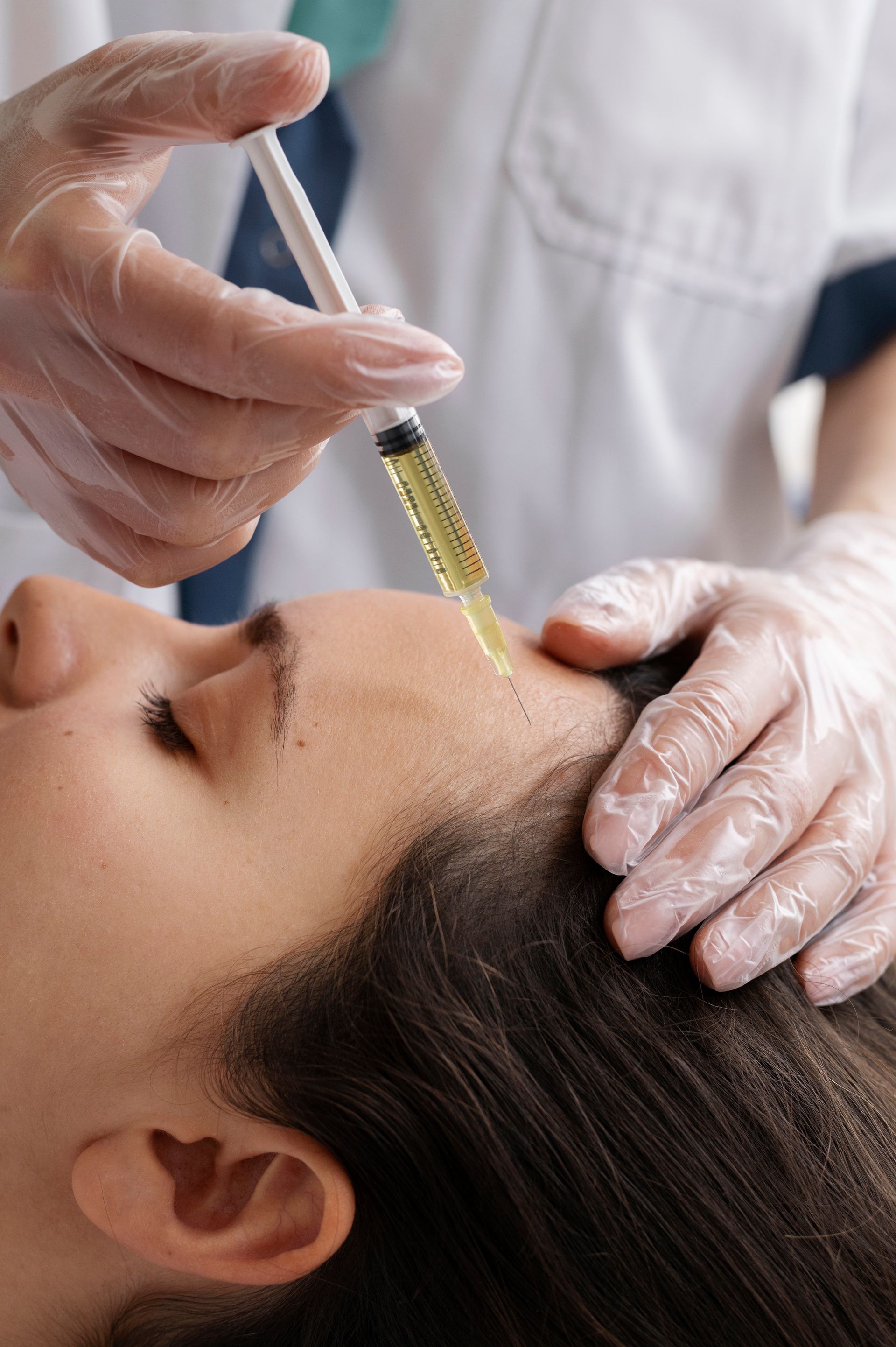
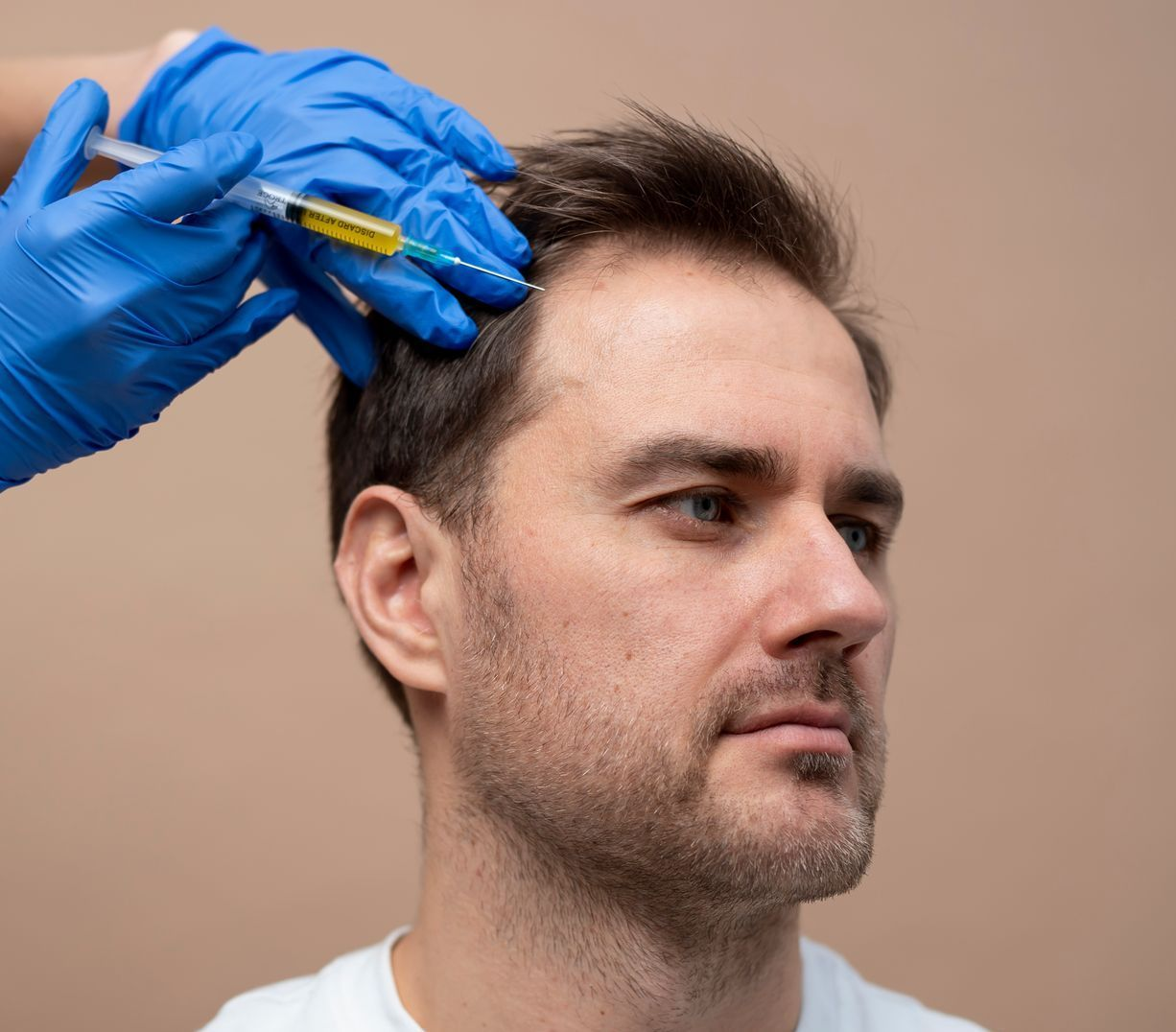
The treatment works by drawing a small sample of your blood, processing it in a centrifuge to separate and concentrate the platelets, and then reintroducing that platelet-rich plasma into the scalp via fine injections or in combination with microneedling. Because the plasma comes from your own body, there's no risk of allergic reaction or rejection — it's a completely natural approach to stimulating hair growth.
How Does PRP Stimulate Hair Growth?
To understand why PRP works, it helps to understand a little about the hair growth cycle. Hair follicles cycle through phases of growth (anagen), transition (catagen), and rest (telogen). When follicles spend too much time in the resting phase, or when they gradually shrink due to genetic or hormonal factors, hair becomes thinner and eventually stops growing altogether.
The growth factors contained in platelet-rich plasma — including platelet-derived growth factor (PDGF), vascular endothelial growth factor (VEGF), and epidermal growth factor (EGF) — play a role in:
- Stimulating dormant hair follicles back into the active growth phase
- Increasing blood flow to the scalp, which delivers more oxygen and nutrients to follicles
- Reducing inflammation around the follicle, which can otherwise impede healthy growth
- Promoting collagen production, which supports the overall health of the scalp environment
In essence, PRP doesn't create new hair follicles — but it can help revive follicles that are still present but underperforming, encouraging them to produce thicker, healthier strands over time.
Who Is a Good Candidate for PRP Hair Treatment?
PRP hair restoration tends to work best for people in the earlier stages of hair loss, where follicles are weakened but not yet completely dormant. It's commonly used for:
- Androgenetic alopecia (male and female pattern baldness) — the most common cause of hair thinning, driven by genetics and hormones
- Early-stage thinning or diffuse shedding, often linked to stress, hormonal changes, or nutritional factors
- Post-hair transplant support, where PRP is used to enhance graft survival and encourage healthier regrowth
- General scalp health improvement, for those wanting to strengthen existing hair before it thins further
It's worth noting that PRP is generally not effective for completely bald areas where follicles have been dormant for many years, or advanced-stage alopecia with widespread scarring. This is why a proper consultation and scalp assessment before starting treatment is so important — it allows a practitioner to set realistic expectations based on your specific pattern and stage of hair loss.
What Happens During a PRP Hair Treatment Session?
If you're considering PRP for the first time, knowing what to expect can help ease any nerves. A typical session follows these steps:
- Consultation and scalp assessment — Before your first treatment, a practitioner will examine your scalp, discuss your hair loss history, and determine whether PRP is a suitable option for you.
- Blood draw — A small amount of blood is taken from your arm, similar to a standard blood test.
- Centrifugation — The blood sample is placed into a centrifuge, which spins at high speed to separate the platelet-rich plasma from red and white blood cells.
- Application — The concentrated PRP is then applied to the scalp, either through targeted injections into areas of thinning, or in combination with microneedling to help the plasma penetrate deeper into the skin.
- Aftercare — Most people can return to normal activities almost immediately, though mild redness, tenderness, or slight swelling at the treatment sites is common for a day or two.
The entire process typically takes between 30 and 60 minutes, making it a convenient option that can fit around a busy schedule without requiring extensive downtime.
How Many Sessions Will You Need?
PRP is not a one-and-done treatment. Because hair growth happens gradually, most practitioners recommend an initial course of three to four sessions, spaced around four to six weeks apart, to kickstart the response in the follicles. After this initial course, many people transition to maintenance sessions every three to six months to sustain results, since the effects of PRP are not permanent and follicles can gradually return to their previous state without ongoing support.
This is an important consideration when weighing up PRP against other hair loss treatments. While it does require a longer-term commitment, many people find the investment worthwhile given the natural approach and the improvement in hair density and scalp health they experience over time.
What Results Can You Expect?
Results vary from person to person, depending on factors like the extent and duration of hair loss, age, and the underlying cause. That said, many people begin to notice changes within two to three months of starting treatment, including:
- Reduced hair shedding
- Increased thickness of existing hair strands
- New, finer "baby hairs" appearing along the hairline or in thinning patches
- An overall healthier-looking scalp with reduced inflammation or flakiness
It's important to approach PRP with realistic expectations. It is not a miracle cure, and it won't reverse advanced baldness or regrow hair in areas where follicles are no longer present. However, for the right candidate, it can meaningfully slow further hair loss and improve the density and quality of existing hair.
Is PRP Hair Treatment Safe?
One of the biggest advantages of PRP is that it uses your own blood, which significantly reduces the risk of allergic reactions or rejection compared to synthetic treatments. That said, as with any injectable or microneedling-based treatment, there are some general considerations:
- Mild redness, swelling, or tenderness at the injection sites is common and usually resolves within a day or two
- The treatment should always be carried out by a qualified, experienced practitioner using sterile, single-use equipment
- A thorough consultation should be carried out beforehand to rule out any underlying conditions that might affect suitability (for example, certain blood disorders or being on blood-thinning medication)
Choosing a reputable, medically-led clinic is essential to ensure the treatment is carried out safely and effectively. At PRP Hair & Skin Clinic, every treatment is led by an experienced medical professional, with a strong emphasis on patient safety, hygiene, and tailored care throughout the process.
PRP vs Other Hair Loss Treatments
It's natural to wonder how PRP compares to other popular hair loss solutions. Here's a quick overview:
PRP vs Minoxidil (topical treatments): Minoxidil is a topical medication that needs to be applied daily and can take months to show results, with effects reversing if use is stopped. PRP, by contrast, is an in-clinic procedure with longer intervals between sessions, and many people combine the two for enhanced results.
PRP vs Hair Transplants: Hair transplants are a surgical option best suited for more advanced hair loss, involving relocating hair follicles from a donor area to thinning or bald areas. PRP is non-surgical and works best for earlier-stage thinning, though it's often used alongside transplants to support healing and improve graft survival.
PRP vs Exosome Therapy: Exosome therapy is a newer, complementary treatment that uses concentrated growth factors and signalling molecules (often derived from stem cells) rather than your own blood plasma. Some clinics combine PRP with exosomes for an enhanced regenerative effect, particularly for those seeking an extra boost alongside standard PRP sessions.
Ultimately, the best treatment (or combination of treatments) depends on your specific hair loss pattern, goals, and budget — something that's best assessed through a proper consultation.
Why Choose PRP Hair & Skin Clinic in Birmingham?
Based in the heart of Birmingham's Jewellery Quarter, PRP Hair & Skin Clinic specialises in medically-led PRP treatments for both hair restoration and skin rejuvenation. Our approach centres on:
- Personalised care — every treatment plan is tailored to your specific hair loss pattern, scalp condition, and goals
- Medical expertise — treatments are led by a skilled professional with extensive experience in PRP therapies
- A patient-centred approach — we take the time to understand your concerns and set realistic expectations from the outset
- Safe, hygienic practice — using sterile, single-use equipment and evidence-based protocols throughout
Whether you're just starting to notice thinning hair or have been searching for a natural alternative to more invasive procedures, we're here to guide you through the process with honesty and care.
Final Thoughts
Hair loss can feel overwhelming, but you don't have to navigate it alone — or resort to drastic measures before exploring gentler, natural options. PRP hair restoration offers a scientifically grounded, minimally invasive way to support your hair's health using your body's own healing properties. While it requires commitment and realistic expectations, for many people it delivers a noticeable improvement in hair density, thickness, and overall scalp health.
If you're curious about whether PRP hair treatment could work for you, the best next step is a consultation with an experienced practitioner who can assess your scalp and hair loss pattern in person. At PRP Hair & Skin Clinic in Birmingham, we're happy to talk you through your options and help you decide on the right path forward.
Ready to take the first step toward healthier, fuller-looking hair? Get in touch with PRP Hair & Skin Clinic today to book your consultation.
Blog-Men’s Hair Loss & PRP

Contact Us
Blog-Men’s Hair Loss & PRP